
That’s a Hard NO

“What you don’t do determines what you can do.” – Tim Ferriss
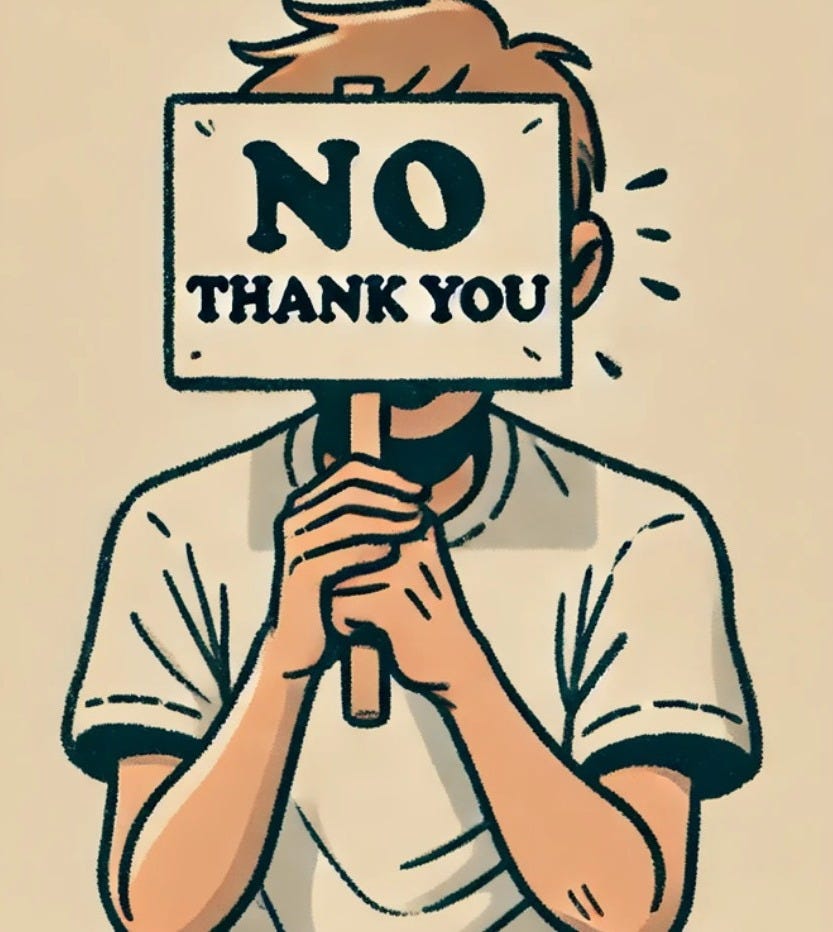
“Nah, I’m good.”
That was my answer for everything when I was invited to get out and do something. I never intended to be rude, but when you’re drunk… who knows. My drunk was the kind of ongoing sipping and pouring, pouring and sipping through my favorite vices and poisons each day. The goal was maintaining that 0.1-0.2 blood alcohol content or “the sweet spot”, where I could just putter around the house, jumping and dancing if the right song came on, crying and screaming if the wrong thought came into my mind or the wrong commercial reminded me of lost love. Trying my best not to slur if I answered a phone call. Day-drinking, night-drinking, forever-drinking. Drunk. That’s where I wanted to be and that’s where I lived. And I sure didn’t need anybody telling me how to live it. “Naaah. I’m good.”
If I did say yes, I’d hop in my Jeep with my buzzy smile and off I’d go to be part of the world. On the occasion that the thing I had committed to was important - like no booze important - I would somehow stop long enough to get some drunken sleep and go do some hungover-as-all-get-out type of work. I did some good work back then. Or I should say, I did a drunkard’s work on many admirable endeavors.
I won’t gloss over the fact that I drove buzzed or drunk. I was unhinged and quite selfish. I won’t gloss over the fact that I was trying to live life by doing my best to follow my heart and help people out, while secretly making deals with myself that if this year’s drinking didn’t kill me, I’d do something about it, and hoping in dark places of my mind that I would just slip away peacefully in my drunken sleep. I won’t gloss over anything anymore.
For years and decades and forever, despite my wishes, my liver just wouldn’t let me die. When I was 46, I figured I would do what my drinking couldn’t do and I tried to take my own life with pills. Liver said, “Nope. Stick around. I have orders to keep you alive until you figure this out.” Brain said, “I can’t stop. I won’t stop.” The battle waged on. I never did *do anything* about it, though.
Until I did. ←that sentence carries the weight of the world in it, and I’ll talk about it more as time goes on. But here I sit, 54 years-old, almost 44 months sober, writing about what saying “no” means to me now and hoping it helps someone. I have that freedom and peace now because I had to do some hard things first.
In early sobriety, if you sit in meetings long enough, you hear over and over that you must set boundaries.
“You gotta set boundaries.”
“Boundaries are crucial”.
“Boundaries are tough, but a must-have in your new sobriety toolbox.”
“Boundaries.”
“Boundaries.”
BOUNDARIES.
Oof. Those are fun. So you walk into the world with your newly discovered feelings and powers and obligations, and off you go throwing no’s around like they’re candy. Or cherry bombs.
“🚫 No, I don’t drink anymore.”
“🚫 No, I can’t make it that weekend.”
“🚫 No, I’m gonna hang back tonight.”
“🚫 No, I don’t really smoke anymore either.”
“🚫 No, I’m not ready for that conversation yet.”
“🚫 No, I’m not comfortable in bars yet.”
“🚫 No, Fantasy Football makes me wanna drink.”
“🚫 No; I can’t host Thanksgiving this year.”
“🚫 No, I’ll drive myself there, thanks.”
“🚫 No, that song is one we used to drink to.”
“🚫 No.”
“🚫 NO.”
Just no.
What a powerful word. This one-word little sentence packs quite the wallop, especially when you draw it out a bit through gritted teeth. Or just yell it.
“No!”
Sometimes that just feels good. But how do you say no? How do others do it?
Here’s some seemingly random and unsolicited advice from my personal annals of Stuff I Wish I Knew Sooner:
Don’t take on many new things in recovery (big things—like relationships, jobs, projects, commitments) until you see just exactly what kind of mess remains in your life after the dust settles. There are unexploded ordinances out there—some placed by you, some by others.
But man, are they there.
In general, people are happy that you quit doing the thing that made you so intolerable. So much so that they forgo all of those things they’ve been waiting to say to you. They’ve got bazookas locked and loaded that are armed with everything they’ve ever wanted to unload on you.
Bazookas blow things up.
These aren’t niceties we’re talking about here.
These word bombs are jam-packed with all the comebacks and harsh truths and frustrations they’ve stored up over the years and saved for when you were lucid enough to hear them.
But then you go and get sober.
At first they can’t believe it. Then they begin to see it’s real, and that a quiet calm embraces your being. So they put down the weapons, and oftentimes they just smile and thank their lucky stars over and over in their heads.
You did the dang thing. Or you are doing it. You’ve made it a week. You’ve made it 6 months. You went back out but now you’re back here. And they couldn’t be happier about that. But at some point, maybe waaaay down the road, you’ll remind them of what they wanted to say. Sobriety doesn’t fix everything, it just reveals everything that needs to be fixed.
And when you remind them, they have every right to pick up that loaded thing, point it at your face, and pull the verbal trigger.
Or perhaps they show some grace and only deliver the gist of the bomb and not the mayhem of it.
Or perhaps they just walk away or walk out of your life.
In any case, these things need to be dealt with if that person and your relationship with them is important to you. This is where the real and painful no’s must be uttered.
And as I woefully and repeatedly discovered, they had to come from me. They usually start off with a “Wait, what?”
“Wait…that’s what you think I meant?”
“That’s what you think I said?”
“That’s what you think I did?”
You may argue the semantics of each charge brought against you at first, but eventually logic and grace begin to take over in your decision-making as you come to crave the same when others deal with you.
“I don’t want to die on that hill anymore.
Do you see how upset this person is?
Forget sorting out the details.
You caused that, Shane.
YOU. And they love you enough to stand in your face and tell you.”
When those types of conversations begin to take place in your sober head, you start to take inventory of the blast site that was once your life. If you’re paying attention, you’ll see that there is a lot to clean up, a lot to build upon, and somewhere in the middle of all of that stands you.
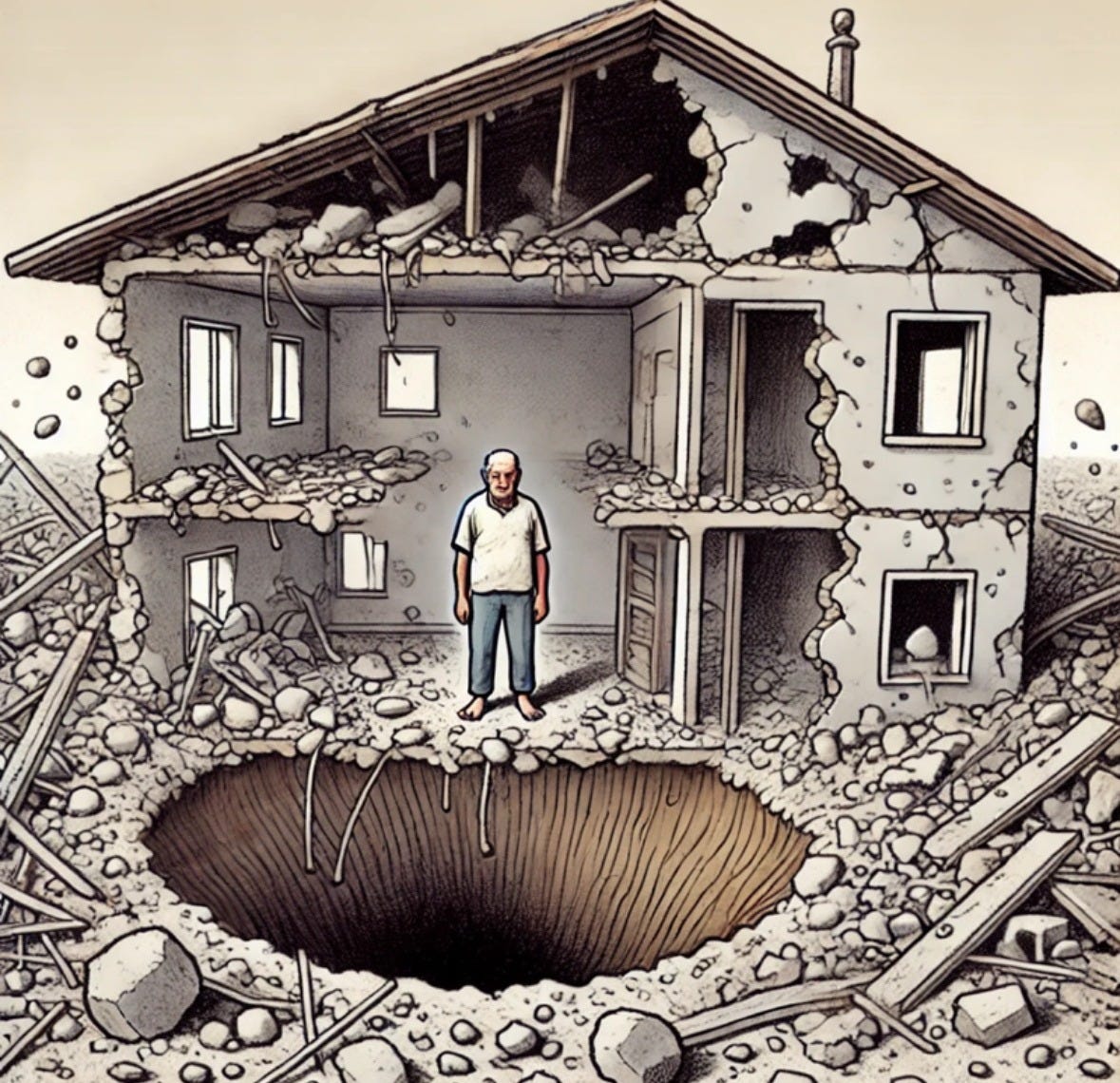
“No, I was in the wrong there.”
“No, that is not the way I thought it was.”
“No, I was not right about that after all.”
“No, I’m the one who lied.”
“No. It was me.”
“No… I get it now.”
Those are the hard no’s to say, to even think. But they are necessary. If you can’t utter those types of no’s first, the kind that show others that you actually possess humility and are teachable, then your future no’s—your boundary no’s—won’t carry much weight because you’ll still be intolerable, just soberly so. If people see you growing, they want to be a part of it. If people see you blaming, they’re out.
When I discovered that much of the drama I endured was really caused by me or my misperception of things, I shut up. I was pretty talkative in my sobriety early on, and still am in many ways. But those ways are different. They are the ways of an observer, a slow, weary, yet determined traveler. I speak about things that move me, but I can do so in comfort because I know there’s not an issue hovering around me that I haven’t confronted yet. One I’m aware of, anyway.
I never want to place myself in the uncomfortable, yet familiar position of thinking I’m doing right by moving forward in this area when I haven’t finished cleaning up that other area first. Believe you me, the folks who are left standing in that unfinished site will let you know, and loudly if necessary, that their needs have not been met in this area and you keep saying in sobriety that you want to take responsibility for your side of the street.
”Well, do it.”
That’s what they’ll say.
”Do it.”
In recovery, we often get so excited about the new opportunities that arise because of it, that we lose sight of the things that were lost or damaged before we entered it. I’ve seen people in my own life and in the lives of my friends in recovery literally hold their hands up in frustration and say or at least think, “What about me? I mean I’m happy for your new life and all, but I’m still here healing from wounds you caused while I’m watching you make new friends who don’t know your sting. I know your sting. Yet here I stand. Pay attention, please.”
This journey, this gig, this thing called recovery—why, it’s a bear. It’s full of revelations and truths and discoveries and eye-opening Holy crap! moments. And in the midst of all of that reside the people we love, or who love us, or with whom we wish to interact, or whom we have no idea we are yet to meet. But it’s full of people nonetheless, and we owe it to them to treat them as such.
Golden Rule-type stuff.
The way we want to be treated.
The way we’ve longed to feel our whole lives.
Seen.
Recovery is a place where you get to witness Jane Q. Sober say no to the drunken, Mommy-Wine book club once and for all, and hear her describe how she mustered the courage to do it. It’s a place where are you can watch Johnny C. T-Totaller finally walk away from his bff group because they seem to prefer him drunk, and hear him describe how he was able to do such a difficult thing. It’s a place to find hope that you can do this stuff because others are doing it right alongside you.

“Nah, I’m good.”
It doesn’t matter in what context I speak or text that phrase these days. It means I have agency now, and I chose something else. Most often, it’s what I am already doing because I do things that bring me joy, or at least don’t cause carnage.
This recovery gig is pretty cool.
Let’s go, my friend.
Let’s do it.
Congrats brother. I love reading your writings and I can feel the passion coming from this one! Big fan of the boundaries, especially in sobriety!